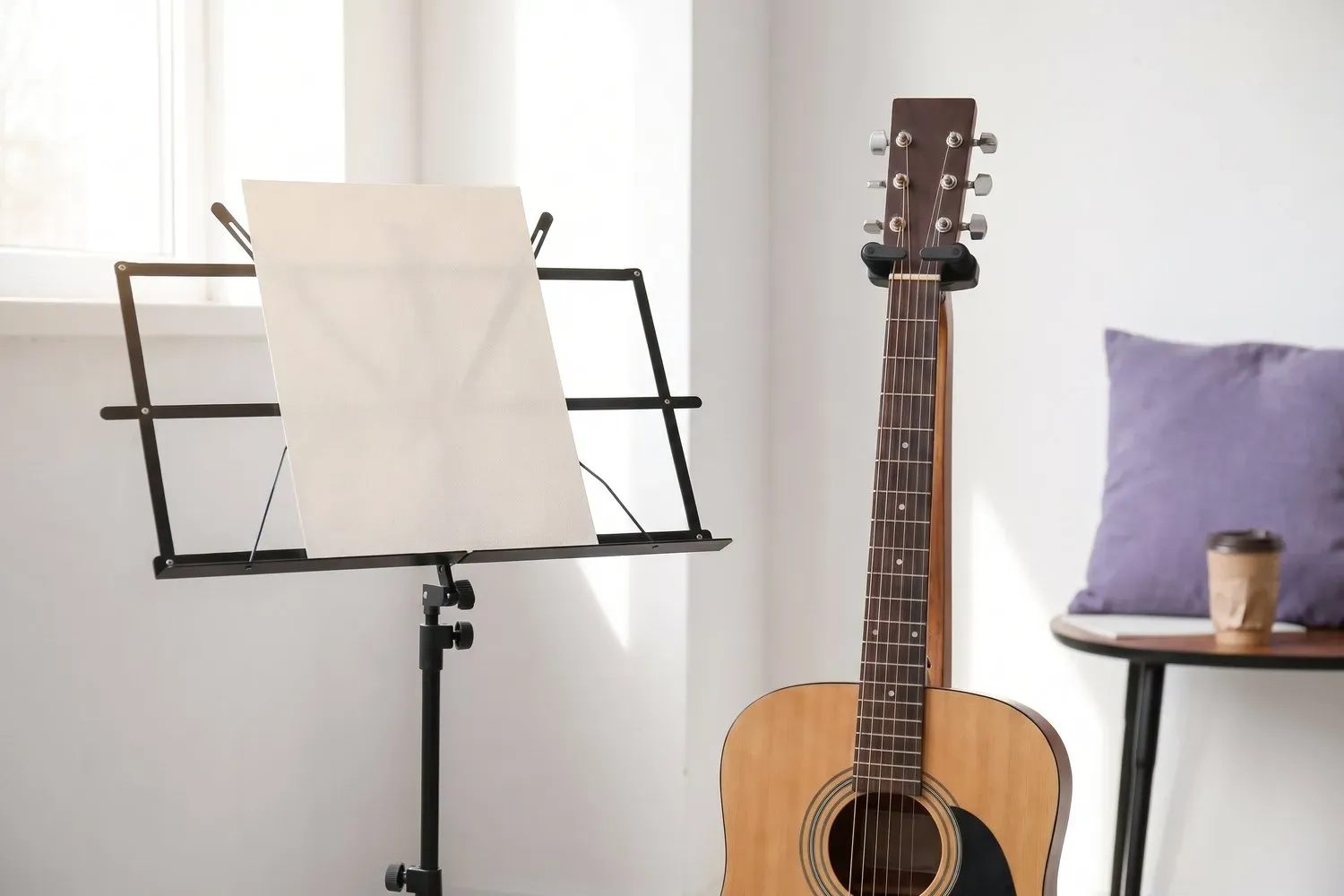
Practice is the part of learning an instrument that happens away from the lesson, and it is where most progress is made. The good news is that it does not need to be long. Little and often, done with attention, beats a single heroic session every time.
Why little and often works
Playing an instrument is a physical skill as well as a musical one. Your hands and ears learn through repetition, and small amounts repeated across the week give the brain time to consolidate what it has practised. A short session also keeps concentration high, so you notice mistakes instead of playing past them.
Long sessions once a week often turn into a test of stamina. Short ones fit round homework, work and family life, which means they actually happen.
Build a simple routine
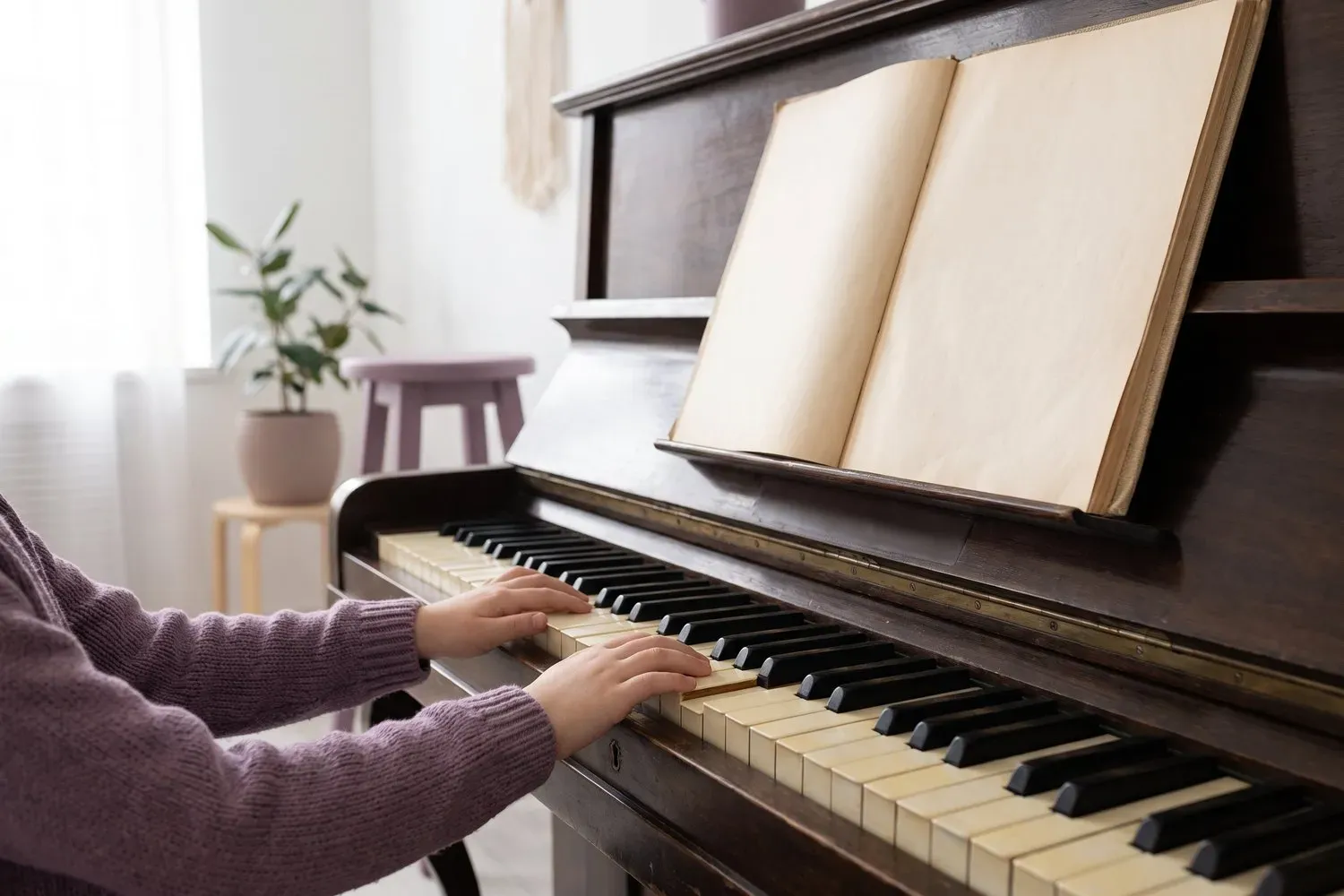
Choose a time that already exists in the day, such as straight after breakfast or before dinner. Keep the instrument out of its case if you can, and leave the music open at the right page. Removing small obstacles makes a big difference on a tired day.
Ten to fifteen minutes is plenty for a beginner. A useful shape is: warm up with something easy, work on one small passage slowly, then finish by playing something you enjoy. Write down what you did, so the next session starts with a clear idea. If you miss a day, simply start again the next day rather than trying to double up.
How to practise a passage
Slow practice is not a punishment. It is how you teach your hands the right movements. Take a bar or a phrase, play it at a speed where you make no mistakes, then repeat it a few times. Only speed up when it feels secure.
Break difficult music into smaller pieces. Practise the join between two bars, then the next join, then put them together. If a mistake keeps returning, slow down further and look at what your hands are doing. Repeating a mistake quickly only makes it stronger.
A weekly practice plan
- Four short sessions of ten to fifteen minutes, on days that suit you.
- One session on a single tricky passage, played slowly and evenly.
- One session on a piece you enjoy, with no pressure to improve it.
- One session reviewing notes from your lesson and the week before.
- A rest day, because muscles and attention both need one.
Keeping it going
Motivation rises and falls, and that is normal. Keep the routine small enough to manage on a bad week. A five minute session still counts, and it keeps the habit alive until the enthusiasm returns.
Play for someone occasionally, even if it is just a friend in the kitchen. Sharing music is part of why we learn, and it gives practice a purpose beyond the next lesson. A short recording on your phone can also help you hear progress you might otherwise miss.
Finally, tell your teacher what is working and what is not. They can adjust the plan, suggest a different way through a passage, or give you something new to aim at. Practice should feel like a conversation, not a chore list.