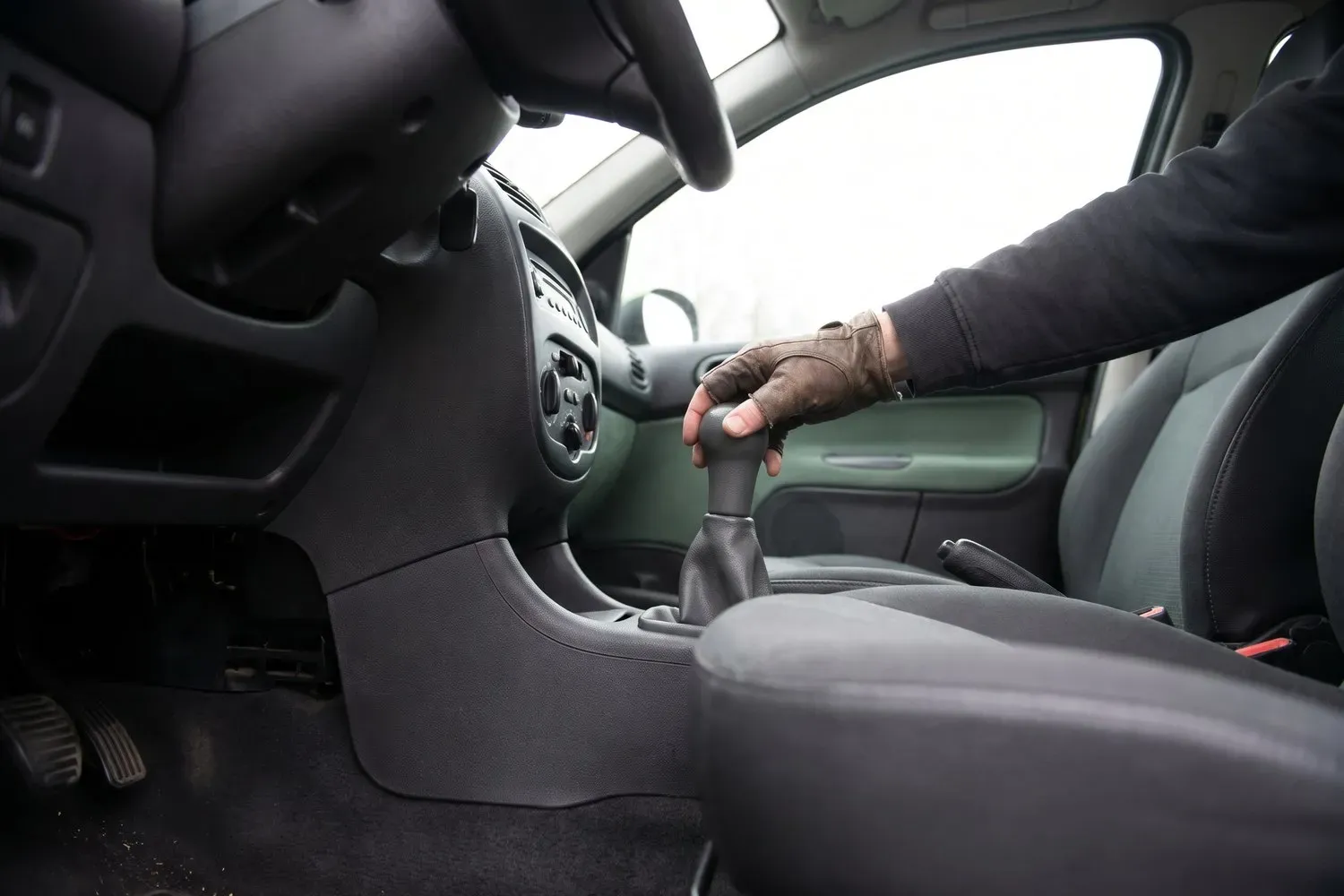
The show me, tell me questions are a short part of the driving test that checks whether you understand your car. They are not a trick, and they are not meant to catch you out. They are a chance to show that you can check the vehicle is safe before you drive.
What the examiner asks
Before you set off, and sometimes during the drive, the examiner will ask you to explain or show how you would check something on the car. A tell me question usually asks you to explain a check, such as how you would know the tyre pressure is correct. A show me question asks you to demonstrate a check in action, such as cleaning the windscreen or switching on a light.
The exact wording can vary, but the idea is always practical: can you look after the car and spot a problem before it becomes dangerous? Answer in your own words and take your time.
Why they matter
A car that is not safe is a risk to you, your passengers and everyone around you. A worn tyre, a faulty light or a low fluid level can turn a routine journey into an emergency. The questions are a prompt to learn the checks every driver should be able to do.
They also give you a calm start to the test. You are in the car, talking about something concrete, before you move off into traffic.
The checks worth knowing
You do not need to memorise a long list. Learn the checks that keep a car safe and you will cover most of what comes up.
- Tyres: tread depth, pressure and general condition, including the spare if there is one.
- Lights: headlights, indicators, brake lights and fog lights, checked with help or against a wall.
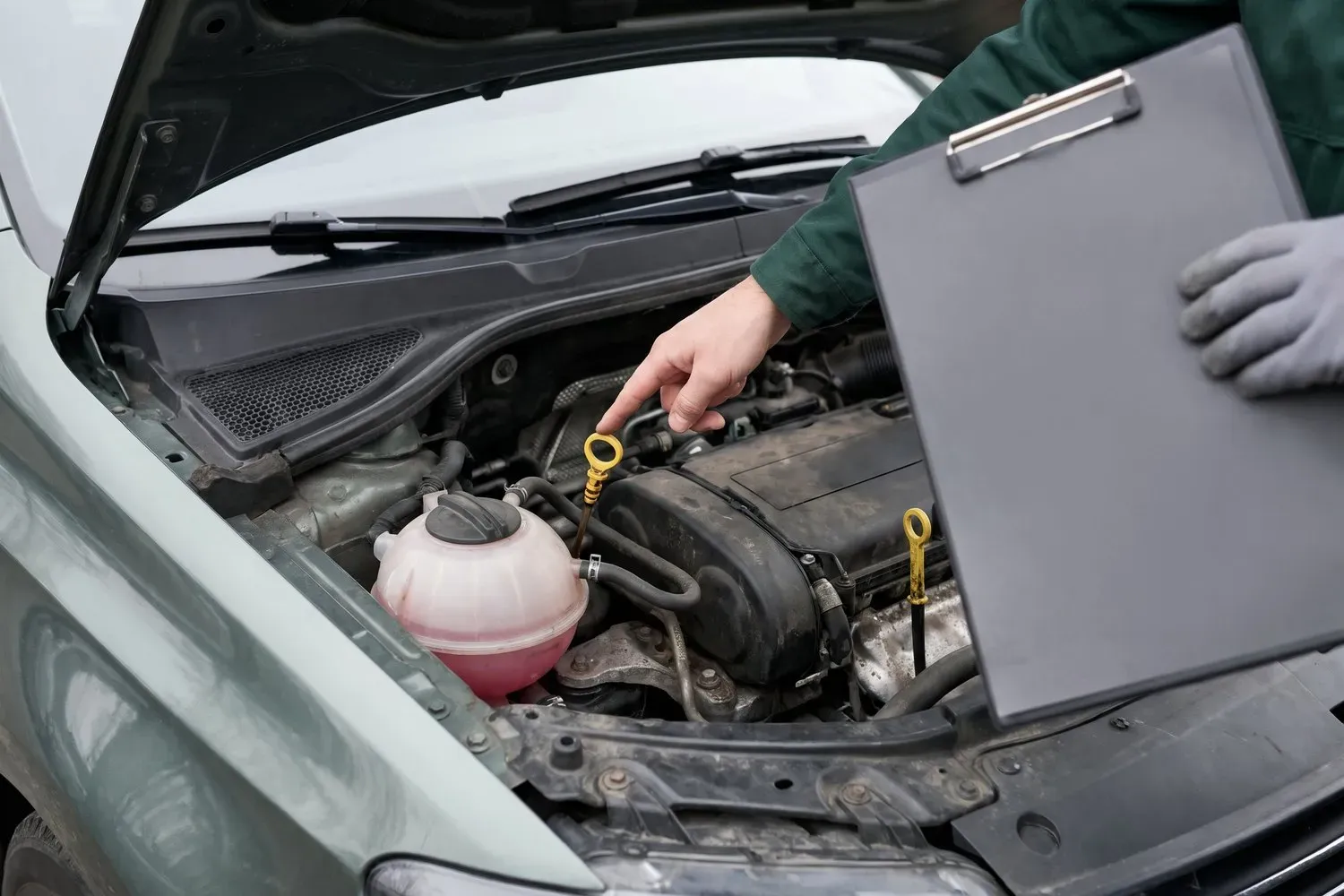
- Fluids: engine oil, coolant, brake fluid and screen wash, checked when the engine is cold.
- Visibility: mirrors, windscreen and windows clean, demisters and wipers working.
- Safety: seat belts, head restraints and child seats secure before setting off.
- Under the bonnet: how to open it safely and where the main reservoirs are.
How to prepare
Ask your instructor to run through the checks during a lesson, using the car you will drive. Practise saying your answers out loud, because explaining a check is different from doing it. Then practise the actions: switch on the lights, clean the windscreen, check the tyres. Run through them a few times before the test so the words feel natural.
Use the car's handbook too. Every model is slightly different, and the handbook shows where the reservoirs and controls are. You do not need to be a mechanic, but you should know your way around the car you drive.
On the day
Listen carefully to the question and answer the one you are asked. If you are unsure, it is fine to say what you would check and why. Calm, sensible answers are what matter, not a rehearsed speech.
If you make a small mistake, do not let it unsettle you. Take a breath, settle into your seat and focus on the road ahead. The examiner will move on, and the drive gives you plenty of chances to show good habits.